Serving Palm Beach Gardens, FL and surrounding areas. (561) 954-0674
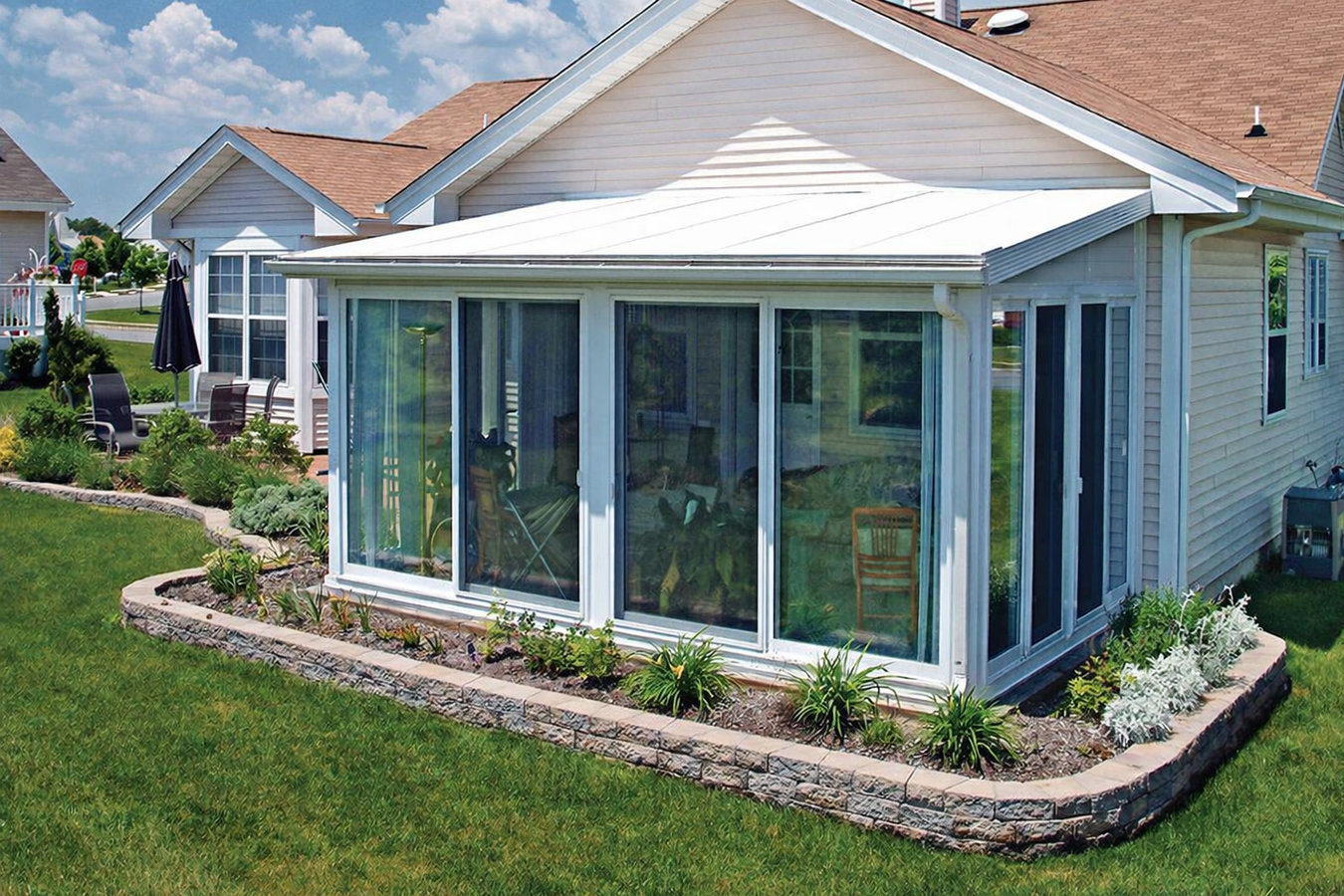
Palm Beach Gardens Lanai Sunrooms & Patios is your local Sunroom Contractor in West Palm Beach, FL, handling sunroom construction, screen room installation, and patio enclosures for the city's wide range of homes - from historic Flamingo Park bungalows to postwar concrete block ranches - with salt-air-rated materials and full city permit processing, and replies within one business day.
Palm Beach Gardens Lanai Sunrooms & Patios is your local Sunroom Contractor in West Palm Beach, FL, handling sunroom construction, screen room installation, and patio enclosures for the city's wide range of homes - from historic Flamingo Park bungalows to postwar concrete block ranches - with salt-air-rated materials and full city permit processing, and replies within one business day.
West Palm Beach has some of the most architecturally varied housing stock in Palm Beach County, from 1920s Mediterranean Revival homes in El Cid to 1960s concrete block ranches further west. Our sunroom construction process begins with a thorough assessment of your existing structure - wall construction type, foundation condition, and roof framing - so the new room is anchored correctly and matches the proportions of the original home.
West Palm Beach gets about 63 inches of rain per year, most of it falling between May and October in daily afternoon thunderstorms. A screened enclosure over a rear patio or lanai gives West Palm Beach homeowners a dry, comfortable outdoor space for much of the year without the cost of full climate control. We build to Florida High Velocity Hurricane Zone standards where applicable and standard wind-load requirements throughout the city.
Many West Palm Beach homes - especially the older concrete block houses on modest lots in neighborhoods like Grandview Heights and Prospect Park - have a back patio that is either exposed or protected only by a simple overhang. A patio enclosure adds screens, panels, or glass to create a finished outdoor room without the footprint or cost of a full sunroom addition.
For West Palm Beach homeowners with an existing covered rear patio on a concrete slab, a conversion is often the most cost-effective path to a finished sunroom. We assess whether the existing slab is in good condition, add proper footings where the structure needs them, and build a new insulated room on what is already there - a practical approach for the older ranch homes common throughout the western neighborhoods.
With the Intracoastal Waterway bordering the eastern edge of the city and the Atlantic only a few miles beyond, salt air is a real factor for any outdoor structure in West Palm Beach. Vinyl framing does not corrode, does not need repainting, and holds up to the coastal humidity that accelerates wear on older aluminum profiles. For homes within a mile or two of the water, vinyl is a practical long-term material choice.
For West Palm Beach homeowners who want to add new finished square footage to the back of the house - without an existing covered slab to convert - a permitted sunroom addition starts from the ground up with new footings and framing. This is the right option when the yard has open space and the homeowner wants a room that functions as a true part of the house with full insulation and cooling.
West Palm Beach is the largest city in Palm Beach County, with a housing stock that spans nearly a full century - from the Mediterranean Revival homes of Flamingo Park and El Cid, built in the 1920s and 1930s, to the postwar concrete block ranches of the 1950s and 1960s, to newer townhomes near the downtown redevelopment corridor along Rosemary Square. That range of construction types means a contractor working in West Palm Beach encounters meaningfully different structural conditions from one job to the next. Anchoring into a 1930s stucco-over-wood-frame wall is not the same as anchoring into a solid concrete block wall from 1962, and a crew that does not know the difference before they show up with hardware will create problems that show up at inspection or during the first hurricane season.
The city's coastal position adds another layer of demand. West Palm Beach sits directly along the Intracoastal Waterway, with Palm Beach Island and the Atlantic Ocean just a few miles to the east. Salt air is a genuine force on any outdoor structure here - it corrodes metal fasteners and welds, breaks down paint and sealants, and attacks aluminum screen frames over time. South Florida's year-round heat and humidity compound this, keeping moisture levels high and UV exposure intense every month of the year. These are not unusual or edge-case conditions for West Palm Beach - they are the baseline. Any sunroom or enclosure built here needs to be spec'd accordingly from the start, not retrofitted with better materials after the first signs of corrosion appear.
Our crew works throughout West Palm Beach regularly and pulls permits through the City of West Palm Beach Development Services department. West Palm Beach permit reviews follow city timelines, typically two to four weeks, and we have the documentation process well understood for both standard residential projects and properties that fall within the city's historic district boundaries. If your home is in one of the designated historic neighborhoods, we review the West Palm Beach Historic Preservation Division guidelines as part of our design process before anything is submitted.
West Palm Beach has distinct neighborhoods that each come with their own building conditions. Historic Flamingo Park and El Cid, southeast of Okeechobee Boulevard, have narrow lots and homes that were built before modern Florida Building Code requirements - these jobs require more careful structural assessment before framing begins. The older ranch neighborhoods in the northwest and southwest parts of the city, off Haverhill Road and Forest Hill Boulevard, are mostly concrete block with covered patios that are ideal candidates for enclosure and conversion work. Newer townhome developments near downtown and the SoSo district have tighter lots and often require working around landscaping and property lines that do not leave much room for error on layout.
West Palm Beach connects directly to several other communities we serve. To the north, across Blue Heron Boulevard, is Riviera Beach, where a similar pattern of older residential construction creates comparable project needs. To the west, Royal Palm Beach is a natural neighboring service area, and our crews travel that corridor regularly.
Call us directly or submit the contact form. We reply within one business day to schedule your on-site visit. Knowing your neighborhood helps us identify whether your home is in a historic district or standard city zone before we arrive.
We visit the property, measure the space, and assess the wall construction type - concrete block, stucco frame, or masonry - to determine the correct anchoring approach. Your written estimate covers all materials, labor, permit fees, and any historic review costs so there are no surprises after signing.
We submit the city building permit application - and historic review documents if applicable - and order materials during the review window. City of West Palm Beach permit reviews typically take two to four weeks. You do not need to be present for permit submissions.
Once the permit is in hand, construction runs two to four weeks depending on scope. We schedule all required city inspections and walk you through the completed room before closing the job. The permit is closed in your name, on record with the city.
We handle all City of West Palm Beach permits, including historic district review where needed. Call us or submit the form for a free on-site estimate - replies within one business day.
(561) 954-0674West Palm Beach is the largest city in Palm Beach County, with about 117,000 residents and a housing stock that spans close to a century of construction. Historic neighborhoods like Flamingo Park and El Cid, listed on the National Register of Historic Places, contain Mediterranean Revival and Mission-style homes built in the 1920s and 1930s with original stucco exteriors and clay barrel tile roofs. Just west of these neighborhoods, postwar blocks from the 1950s through the 1970s are filled with concrete block ranch homes on modest lots. Further west and north, newer development from the 2000s onward fills in with townhomes and updated single-family construction. The city borders the Intracoastal Waterway on its eastern edge, with Palm Beach Island and the Atlantic just across the water.
Downtown West Palm Beach has seen major investment over the past two decades, centered around Rosemary Square and Clematis Street, and the energy from that growth has spread into surrounding neighborhoods. Older homes throughout the city are being renovated and updated, and outdoor living space - screened porches, sunrooms, and covered lanais - is a consistent part of what buyers and owners want here. West Palm Beach connects to several other areas we serve - including Riviera Beach to the north and Royal Palm Beach to the west - and we work throughout all of them.
Enjoy your sunroom year-round with a fully insulated four-season room.
Learn MoreAffordable screened enclosures that extend your outdoor living season.
Learn MoreKeep bugs out and breezes in with a professionally installed screen room.
Learn MoreTurn your deck into a weather-protected sunroom you can enjoy daily.
Learn MoreElegant enclosed patio rooms that blend indoor comfort with outdoor charm.
Learn MoreStunning glass solarium installations that flood your home with natural light.
Learn MoreDurable patio covers providing shade and protection from the elements.
Learn MoreCall us today or submit the form for a free estimate. We handle all City of West Palm Beach permits, historic review coordination, and inspections from start to finish.